Madrid's City Council has taken a significant step towards regulating the proliferation of tourist apartments within its historic center by approving the Plan Reside. This new regulation, passed with the majority votes of the PP and the abstention of Vox, aims to address the challenges posed by the unchecked growth of tourist accommodations, which have been a source of contention among residents and local authorities alike. The plan introduces stringent measures to ensure that tourist apartments operate within the legal framework, thereby safeguarding the residential character of the city's core areas.
Under the Plan Reside, tourist apartments will no longer be permitted in residential buildings within the historic center, a move designed to mitigate the disturbances experienced by local residents. Additionally, the plan allows for the repurposing of 210 unused historic buildings into affordable rental units, a measure that seeks to balance the needs of the tourism industry with those of the local housing market. The regulation also imposes stricter penalties for illegal operations, with fines reaching up to €190,000, signaling the city's commitment to enforcing the new rules.
The approval of Plan Reside has not been without its critics. Opposition parties, including Más Madrid and the PSOE, have voiced concerns over the potential for the plan to inadvertently encourage the conversion of entire buildings into tourist accommodations, thereby exacerbating the very issue it aims to resolve. PSOE councilor Antonio Giraldo highlighted that 67% of buildings in the city's urban center could be transformed into tourist apartments under the new regulation, a prospect that raises questions about the plan's long-term impact on Madrid's housing market.
As the Plan Reside moves to the Community of Madrid for final review and approval, the debate over its implications continues. Proponents argue that the plan represents a necessary step towards legalizing and regulating the tourist apartment market, while critics warn of its potential to displace residents and alter the city's urban fabric. With its anticipated implementation in August 2025, the Plan Reside marks a pivotal moment in Madrid's ongoing effort to reconcile the demands of tourism with the preservation of its residential communities.

Juan del Val, the winner of the 2025 Planeta Prize, has responded to the wave of criticism surrounding his recent literary award. The novelist and television collaborator secured Spain's most prestigious literary honor for his upcoming novel 'Vera, una historia de amor,' which comes with a €1...
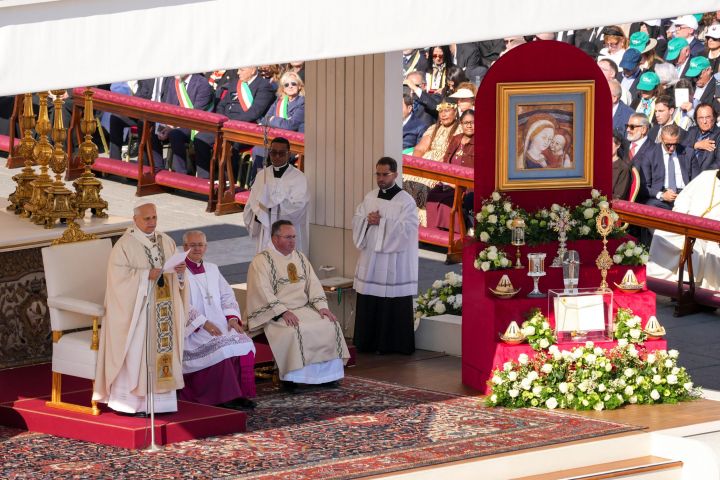
Pope León XIV presided over the canonization of seven new saints during a ceremony in St. Peter's Square on World Mission Sunday. The newly recognized saints include Ignacio Maloyan, an Armenian Catholic archbishop and martyr; Peter To Rot, the first saint from Papua New Guinea; Vincenza...

The Spanish National Markets and Competition Commission (CNMC) has approved Neinor Homes' public takeover offer for Aedas Homes, clearing a key regulatory hurdle for the €1.07 billion transaction. The regulator authorized the deal "in first phase and without commitments" on September 25,...

The Sitges International Fantastic Film Festival of Catalonia 2025 opened its 58th edition on Thursday, October 9, with Julia Ducournau's 'Alpha' serving as the opening gala film. This year's festival, running through October 19, features a record-breaking program of 395 productions between...

Spanish First Vice President and Finance Minister María Jesús Montero has assured that no autonomous community will lose resources under the new singular financing model for Catalonia agreed between the central government and the Generalitat. Speaking to media before the 'World in Progress'...