
The Spanish Popular Party (PP) has unveiled a new immigration strategy centered around a points-based visa system, echoing proposals first floated by former Prime Minister Mariano Rajoy in 2008. The plan, revealed during the party's third programmatic retreat in Murcia, aims to prioritize immigrants who want to work in sectors experiencing labor shortages and those with better cultural understanding and integration capacity. Party barons signed the "Murcia Declaration," positioning immigration control as a key element of their political strategy moving forward.
The proposed visa system would follow models implemented in countries like Australia, Canada, and the United Kingdom, rewarding immigrants based on their potential contribution to the Spanish economy and society. According to PP leader Alberto Núñez Feijóo, the system would "prime the entry of those who want to work in sectors where there is a lack of labor" while prioritizing individuals who "know our culture better and have greater capacity for integration." The announcement came during an enthusiastic gathering where regional PP leaders emphasized that voting for Feijóo would "fix immigration."
A crucial aspect of the new proposal involves evaluating countries of origin based on their cooperation with Spanish migration policies. The PP stated that visa availability would "compute the commitment of countries of origin" to maintaining orderly migration, with sources from the party's headquarters clarifying that countries fighting against human trafficking networks would receive preferential treatment. "If they help us, they will be rewarded. If they encourage disorder, they won't," Feijóo explained, indicating that barriers would be erected against immigrants from nations not committed to controlling irregular migration.
The immigration overhaul forms part of the PP's broader criticism of the current government's management, which they describe as weakened by parliamentary instability and unproductive legislation. The party claims this has led to neglected issues including housing access difficulties, loss of purchasing power, high tax pressure, and uncontrolled irregular immigration. Through these coordinated regional agreements, the PP aims to demonstrate how Feijóo would govern nationally by implementing consistent policies across the autonomous communities where they hold power.

Spanish First Vice President and Finance Minister María Jesús Montero has assured that no autonomous community will lose resources under the new singular financing model for Catalonia agreed between the central government and the Generalitat. Speaking to media before the 'World in Progress'...

Juan del Val, the winner of the 2025 Planeta Prize, has responded to the wave of criticism surrounding his recent literary award. The novelist and television collaborator secured Spain's most prestigious literary honor for his upcoming novel 'Vera, una historia de amor,' which comes with a €1...

The Spanish National Markets and Competition Commission (CNMC) has approved Neinor Homes' public takeover offer for Aedas Homes, clearing a key regulatory hurdle for the €1.07 billion transaction. The regulator authorized the deal "in first phase and without commitments" on September 25,...
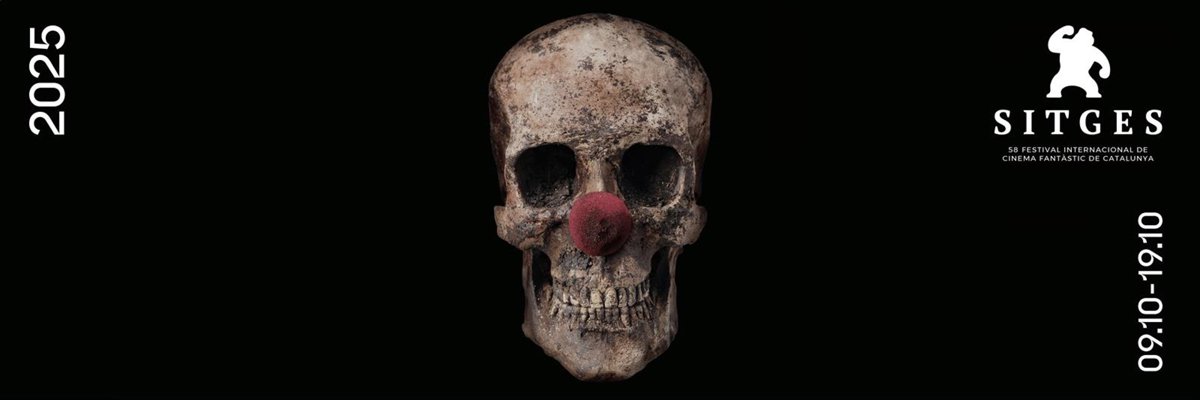
The Sitges International Fantastic Film Festival of Catalonia 2025 opened its 58th edition on Thursday, October 9, with Julia Ducournau's 'Alpha' serving as the opening gala film. This year's festival, running through October 19, features a record-breaking program of 395 productions between...

A 69-year-old woman died on Sunday afternoon following an explosion and subsequent fire at her two-story home in the village of Villar del Río in Spain's Soria province. The incident occurred around 5:30 PM local time when multiple witnesses reported hearing a loud explosion coming from the...
